

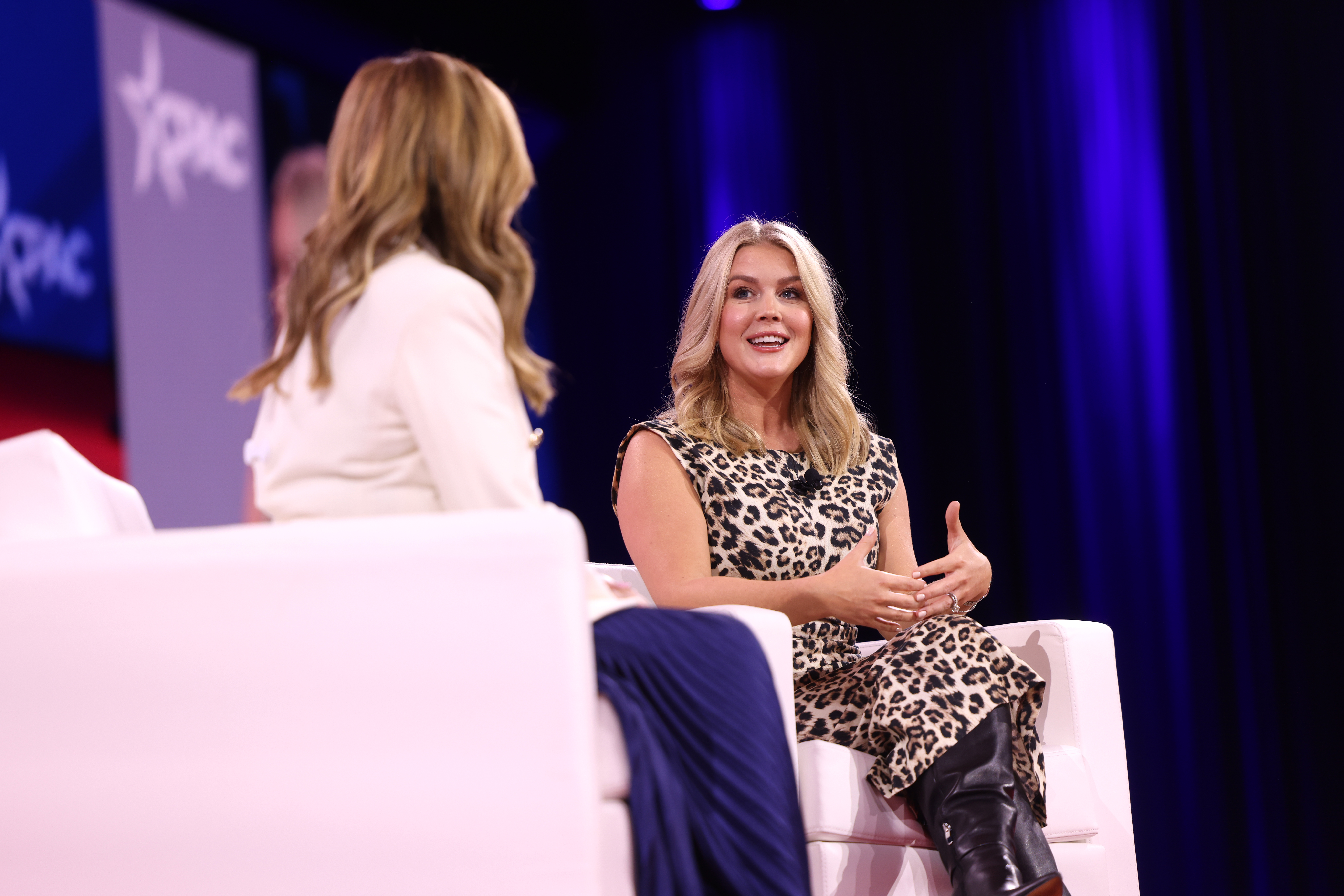
White House press secretary Karoline Leavitt is expected to welcome her second child this week, adding a personal milestone to a tenure already defined by firsts. At 28, she is the youngest press secretary in U.S. history and the first known to serve in the role while pregnant.
Her upcoming leave raises practical questions for the administration, including how long she plans to step away and how the White House will manage one of its most visible daily responsibilities in her absence.
Unclear timeline for leave
A White House official said it’s not yet clear how much time Leavitt will take off after the birth. Like other federal employees, she is generally entitled to up to 12 weeks of paid parental leave. Whether she uses the full period remains an open question.
That uncertainty leaves the briefing schedule in a flexible position, with no firm timeline for her return to the podium.
No interim press secretary planned
Instead of naming a temporary replacement, the White House plans to rely on a rotating group of officials to handle press briefings. That group could include President Donald Trump and Vice President JD Vance, an approach that would break from the more traditional model of a single, consistent spokesperson.
The decision signals a willingness to experiment, but it also introduces the possibility of mixed messaging. Different officials bring different styles, and consistency has long been a priority in managing daily communication with the press.
Family life in the public eye
Leavitt first announced her pregnancy in December, sharing that she and her husband, Nicholas Riccio, were expecting a daughter. Their first child, Niko, was born in July 2024 and has already appeared in the briefing room during special events.
In a social media post after Christmas, Leavitt said she was looking forward to becoming a “girl mom” and described the coming year as meaningful for her family. She also pointed to what she called a supportive, pro-family culture within the White House, crediting both President Trump and chief of staff Susie Wiles.
Staying active on the job
Leavitt continued her duties throughout the pregnancy, rarely stepping back from the demands of the role. That includes leading daily briefings and serving as a central voice for the administration during a busy stretch of domestic and international developments.
Her tenure has also brought changes to the structure of the briefing room. Most notably, she introduced a designated space for “new media,” giving podcasters, independent journalists, and digital creators a more visible presence.
She has often called on those voices early in briefings, a shift away from the traditional dominance of legacy outlets.
A test for a changing briefing room
Leavitt’s temporary absence could put that evolving setup to the test. With multiple officials rotating through the podium, the tone and priorities of briefings may shift from day to day.
That variability may not matter much during quieter periods. But in moments that require clear, unified messaging, it could become more noticeable.
Balancing public service and private life
For now, the focus remains on a personal milestone. Even in a role tied closely to national politics and constant scrutiny, family life continues alongside the job.
Leavitt’s situation underscores a familiar challenge in Washington: balancing the demands of public service with life outside the office. It’s not unique, but it’s rarely this visible.
Her return, whenever it comes, will likely bring the operation back to a more familiar rhythm. Until then, the White House is preparing to adjust on the fly.
READ NEXT: Major City Removes Leader Following Appalling Lawsuit



May your ( Karoline Leavitt’s ) ‘birthing’ experience be without problems and be of great joy.
THANK YOU for your time as press secretary, and may it soon continue.
You do your job quite well!
😊