

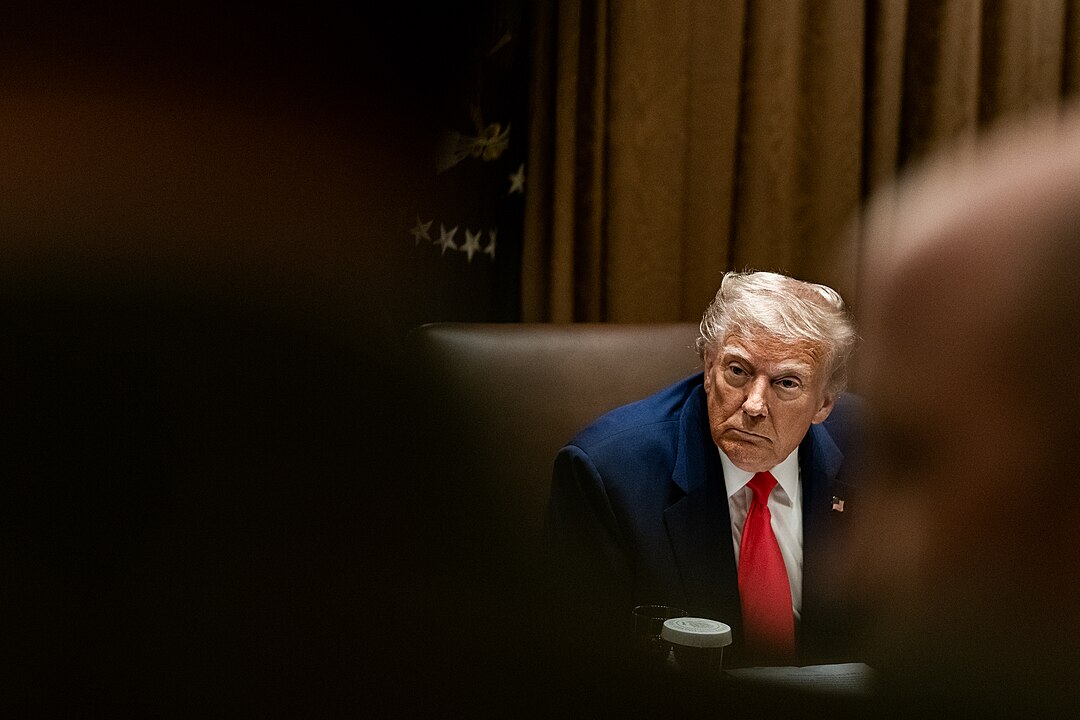
Mexico’s new president, Claudia Sheinbaum, says she had “a very good conversation” with President Donald Trump on Monday — a call that focused heavily on cartel violence, cross-border drug trafficking, and the Trump administration’s push for tougher action against transnational criminal groups
The call lasted about 15 minutes and came after Sheinbaum said she requested direct dialogue with the Trump administration, following a week of escalating rhetoric from Trump about the cartels and Mexico’s security crisis.
A familiar dispute: U.S. military action vs. Mexican sovereignty
Trump has repeatedly suggested the United States could use the U.S. military to strike cartel networks inside Mexico — an idea that resonates with many Republican voters who view the cartels as a direct national-security threat tied to fentanyl deaths, human trafficking, and illegal immigration.
Sheinbaum, however, again rejected the idea of U.S. intervention, signaling that her government wants continued security cooperation, but on Mexico’s terms.
Trump “still insisted that if we ask for it, they could help” with military forces, Sheinbaum said, adding that she rejected the offer again:
“We told him, so far it’s going very well, it’s not necessary, and furthermore there is Mexico’s sovereignty and territorial integrity and he understood.”
For Republican-leaning audiences, the tension here is straightforward: Mexico wants U.S. support — but not U.S. control, even as American communities continue facing the fallout of cartel-driven fentanyl trafficking.
Trump presses the issue: “The cartels are running Mexico”
Trump’s posture has been consistent: treat cartels like the enemy force they are.
In a Fox News interview aired last week, he said:
“We’ve knocked out 97% of the drugs coming in by water and we are going to start now hitting land, with regard to the cartels. The cartels are running Mexico. It’s very sad to watch.”
That message plays to a key Republican argument: the U.S. cannot allow criminal organizations to operate with near-military power just across the border, especially when those groups fuel drug deaths and destabilize communities on both sides.
Venezuela raid adds new weight to Trump’s threats
The conversation also came in the wake of a dramatic U.S. operation in Venezuela — the removal of Venezuelan President Nicolás Maduro — which Sheinbaum said Trump raised directly.
“He (Trump) asked me my opinion about what they had done in Venezuela and I told him very clearly that our constitution is very clear, that we do not agree with interventions and that was it,” Sheinbaum said.
Sheinbaum’s comments reflect a longstanding Mexican government position against foreign military interventions, but the timing matters: the Venezuela operation has made leaders across the region take Trump’s warnings more seriously — including when he talks about Mexico, Cuba, and even Greenland. AP News+1
Rubio demands “tangible results” from Mexico
The Trump administration’s pressure campaign hasn’t been limited to the president.
Mexico’s Foreign Affairs Secretary Juan Ramón de la Fuente spoke Sunday with U.S. Secretary of State Marco Rubio, who called for “tangible results” and more cooperation to dismantle cartel power, according to the U.S. State Department.
That demand reflects what many Republican voters have argued for years: Mexico must do more than make promises — it must deliver measurable enforcement.
Sheinbaum claims progress — and wants credit
Sheinbaum said Mexico shared results with the U.S. side, including:
- a significant drop in homicides
- falling U.S. fentanyl seizures
- lower fentanyl overdose deaths in the U.S.
Even so, U.S. officials and border-state Republicans have frequently questioned whether Mexico’s progress is durable and nationwide, or simply temporary or concentrated in certain regions while cartels continue adapting.
Why intervention is still unlikely — for now
Experts say U.S. intervention in Mexico remains unlikely because Mexico is currently doing much of what Washington has requested and remains one of America’s most important economic partners. But they also expect Trump to keep using hardline rhetoric to maintain pressure.
Cuba left out — but still a point of friction
Sheinbaum said the two leaders did not discuss Cuba, even though Trump has recently threatened action related to the island. Mexico remains an important ally of Cuba, including through oil shipments, which have become even more significant now that the Trump administration has moved to stop Venezuelan oil from reaching Cuba.

NO touirisim=No $$$$