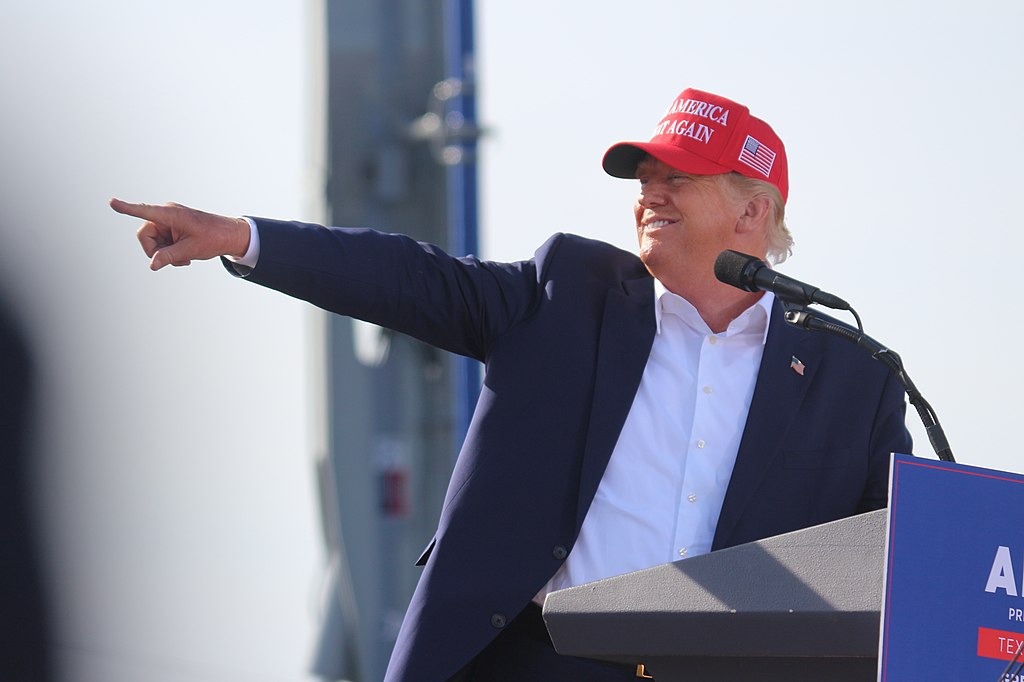


President Donald Trump is signaling a surprising willingness to work with Democrats after Republicans suffered major losses in Tuesday’s midterm elections, suggesting that cooperation across party lines may be necessary as Washington prepares for a dramatic shift in power.
In a Thursday morning interview with ABC News chief Washington correspondent Jonathan Karl, Trump acknowledged the country’s growing political fatigue while expressing confidence that he could find common ground with members of the opposing party.
“I think we can get along. It’s good for the country if we do. The country has had enough,” Trump told Karl, according to Mediaite.
The president also revealed that several Democrats had already reached out to him following the election, although two of the party’s most prominent congressional leaders were notably absent from those conversations.
“There are others – not them – but people, other Democrats, who have been calling. I have friends over there,” Trump said.
Trump confirmed that he had not spoken with Senate Minority Leader Chuck Schumer (D-N.Y.) or House Minority Leader Hakeem Jeffries (D-N.Y.) since Tuesday’s election.
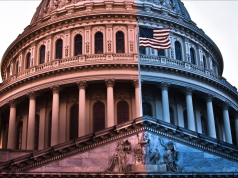
His remarks come as Democrats prepare to take control of both chambers of Congress, creating significant obstacles for the president’s legislative agenda during the remainder of his term.
The comments also represent a potentially important shift in tone for Trump, whose political career has frequently been defined by fierce confrontations with Democratic lawmakers and party leadership.
However, the president stopped short of identifying which Democrats had contacted him or outlining specific policy areas where he might be willing to negotiate.
The election fallout has also prompted questions about possible changes within Trump’s administration.
According to a CBS News report cited by Mediaite, Trump has privately asked advisers whether Defense Secretary Pete Hegseth should remain in his position following the Republican Party’s disappointing performance.
The White House has publicly rejected suggestions that Hegseth’s departure is imminent, while Trump has continued to defend the defense secretary’s performance.
Meanwhile, Vice President JD Vance has offered his own assessment of the Republican losses, pointing to the administration’s handling of the Iran war as a contributing factor.
Trump has acknowledged that rising costs associated with the conflict may have hurt Republicans at the ballot box, but he has maintained that he would make the same military decisions again.
Despite those political challenges, the president’s latest comments suggest he may be preparing for a different governing environment in Washington.
Whether Trump’s Democratic friendships translate into meaningful bipartisan agreements remains uncertain, particularly as both parties adjust to the election results.
For now, Trump appears willing to leave the door open to cooperation with his political rivals, even as Democrats prepare to wield substantially greater power on Capitol Hill.