

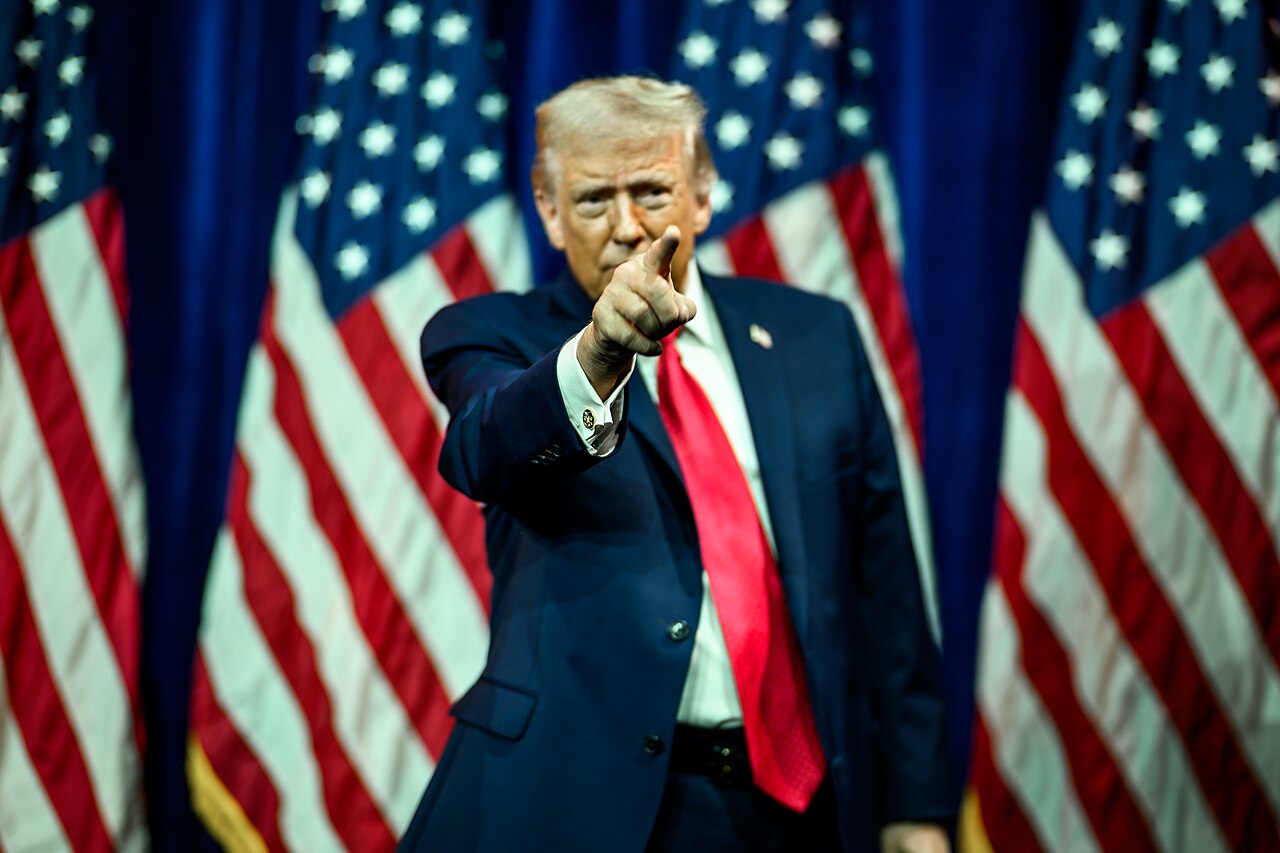
President Trump and his administration on Thursday unveiled a new “Board of Peace” initiative aimed at rebuilding and stabilizing Gaza, rolling out the framework during the World Economic Forum in Davos with leaders from more than 20 countries — a list that notably did not include many major European Union allies.
The White House said countries agreeing to join the board include Argentina, Belarus, Morocco, Vietnam, Pakistan, Kazakhstan, Uzbekistan, Kosovo, Hungary, Egypt, Turkey, Qatar, Jordan, Indonesia and Saudi Arabia, among others.
Still, the administration’s initial member list immediately drew pushback from at least one European country after Belgium was mistakenly included.
“Belgium has NOT signed the Charter of the Board of Peace. This announcement is incorrect,” Belgian Deputy Prime Minister Maxime Prevot wrote in a post on X. “We wish for a common and coordinated European response. As many European countries, we have reservations to the proposal.”
The confusion highlighted a broader challenge for the new initiative: while Trump’s team appears to be moving quickly to secure international backing, many European governments face legal or political hurdles that prevent them from signing on immediately — even if they see value in the proposal.
Finnish President Alexander Stubb said in an interview with CBS News that Finland and other European nations may be unable to join at first because they need parliamentary approval.
“One is that this is an international organization which, basically, then needs parliamentary approval. So, you know, we are liberal democracies. We can’t come here and say, ‘okay, here’s the statute,’” Stubb said.
Stubb also said European leaders want the effort more closely tied to the United Nations, reflecting a common preference among Western governments for U.N.-anchored peace and reconstruction missions.
“The other one is that we want to link it even more closer to the U.N. So I think, for instance, that the Gaza peace board is based on a U.N. mandate, which is really good. So now we just need to make sure that some of the other mandates can be put into the U.N. as well. But we’ll see what the other Europeans do and what we do together. I think it’s a good initiative,” he said.
Trump, along with senior officials in his administration, presented the Board of Peace as a concrete attempt to move beyond endless diplomatic statements and toward a rebuilding plan for Gaza — a territory devastated by war, with large-scale destruction to housing, utilities, and basic infrastructure.
In remarks and presentations shared during the ceremony, the administration laid out a vision that included major construction and investment proposals, including an airport, data centers, workforce housing and new tourist attractions along Gaza’s coastline.
Jared Kushner, Trump’s son-in-law and a key figure in past Middle East diplomacy, spoke during the Board of Peace ceremony and showed slides illustrating phased redevelopment concepts and what the administration described as a “master plan” approach.
Kushner argued that a long-term economic transformation is essential if Gaza is ever to have lasting stability, framing the plan as a way to create jobs, attract investment and give residents a real chance to build prosperous lives.
“We do not have a plan B,” Kushner said. “We have a plan. We signed an agreement. We are all committed to making that agreement work. There’s a master plan.”
Kushner added that he hopes Gaza can ultimately become a “destination” with strong industry and opportunity “where people can thrive,” echoing Trump’s longstanding push for economic development as a lever for peace.
The initiative comes at a moment when the Middle East remains under intense pressure from continuing conflict, rising humanitarian needs, and deep questions over Gaza’s governance after the war. One of the central issues facing any reconstruction effort is who will administer Gaza’s border crossings, security, public services, and economic recovery while preventing the territory from returning to instability or serving as a launchpad for future violence.
A Palestinian official named to the newly formed National Committee for the Administration of Gaza, Dr. Ali Sha’ath, announced the reopening of the Rafah Crossing — Gaza’s main entry and exit point to and from Egypt. The Rafah Crossing has served as a critical route for aid delivery, medical evacuations, and civilian travel, and its reopening would mark a significant development for the enclave’s immediate humanitarian situation.
The Trump administration also signaled it expects the Board of Peace to expand beyond its initial signatories, pointing to internal legal procedures in other countries as one reason more allies were not yet included.
During the signing ceremony, Secretary of State Marco Rubio said the administration anticipates additional nations will join as their governments complete domestic approval processes.
“Many others who are going to join, you know, others either are not in town today or they have to go through some procedure internally in their own countries, in their own country, because of constitutional limitations, but others will join,” Rubio said.
For now, the Board of Peace initiative is being positioned by the White House as a step toward a post-war pathway for Gaza, with Trump’s team betting that a mix of security guarantees, regional buy-in, and economic rebuilding can eventually change the trajectory of one of the world’s most volatile flashpoints.


Other names for BOP:
Free Nations Assoc
Nations Assn
The Euros want an organization that supported, and often fought alongside Hamas, to run the Board Of Peace. UN goons (“peacekeepers”) hid the Hamas ammo and rockets under their own buildings, and hospitals. They also helped to hide the hostages. And that’s just the acts we know about. Time to defund, deport, and depart the damned UN.