
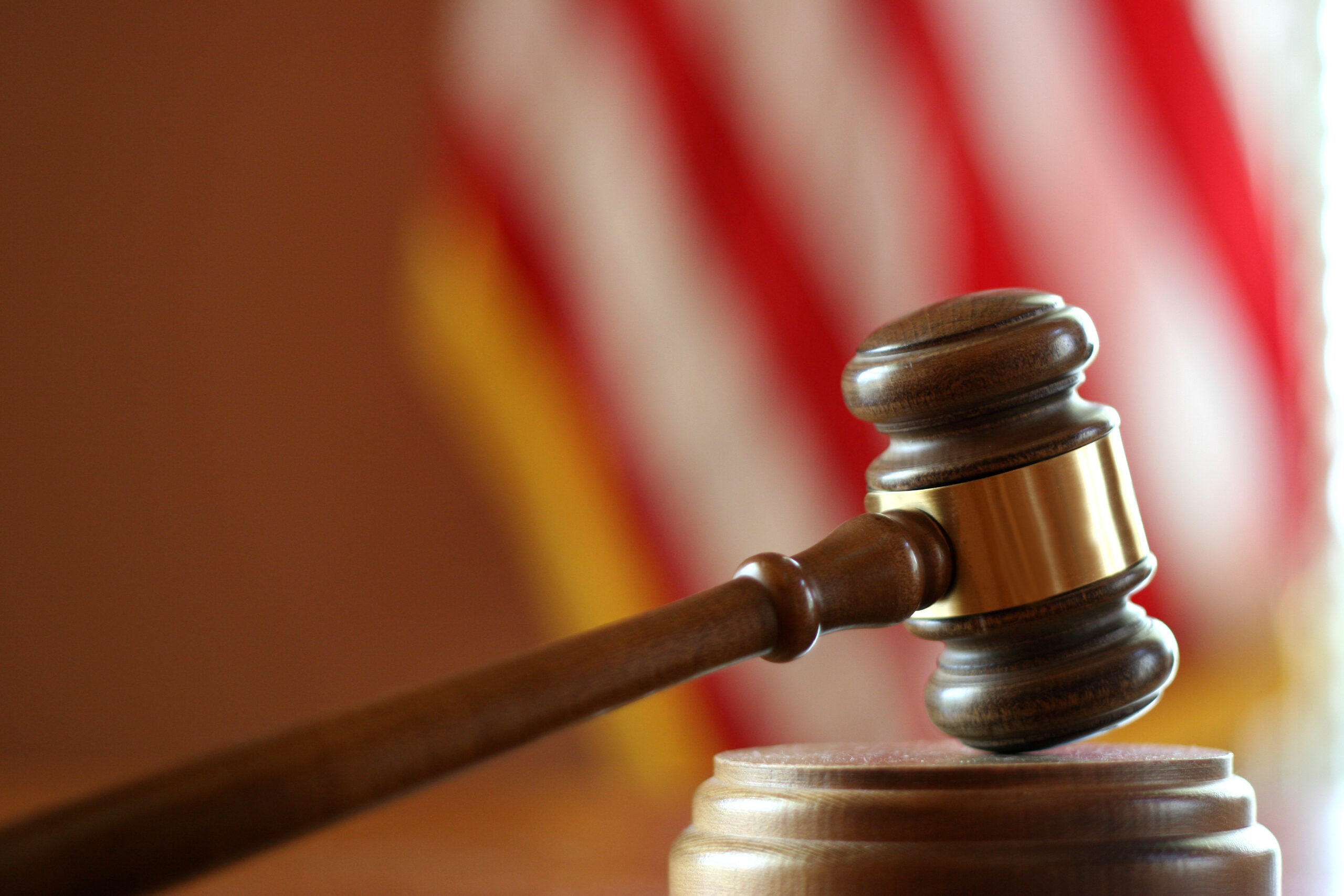
U.S. District Judge Christopher Cooper on Monday blocked President Donald Trump’s second executive order targeting birthright citizenship, ruling that the administration’s revised and narrower attempt to carve out exceptions to the 14th Amendment still fails to clear the constitutional bar set by more than a century of Supreme Court precedent.
A narrower order, the same result
Trump’s first executive order on the subject, signed in January 2025, sought broad restrictions on birthright citizenship and was quickly enjoined by multiple federal judges across the country. The second order, signed in August 2026, took a more targeted approach, focusing on what the administration argued were narrow, historically recognized exceptions to the Citizenship Clause — such as children born to accredited foreign diplomats.
Cooper, who sits on the U.S. District Court for the District of Columbia, was not persuaded. He ruled that even the narrower order exceeded executive authority, joining a growing judicial consensus that the constitutional text and binding precedent leave little room for presidential action on this question.
What the Constitution says
The 14th Amendment’s Citizenship Clause, ratified in 1868, provides that “all persons born or naturalized in the United States, and subject to the jurisdiction thereof, are citizens.” The Supreme Court interpreted that language broadly in United States v. Wong Kim Ark (1898), holding that virtually all children born on American soil are citizens regardless of their parents’ nationality. The only widely accepted exceptions under existing law are children of foreign diplomats with full diplomatic immunity and children of enemy forces occupying U.S. territory — categories so narrow they affect a tiny fraction of births.
The administration’s argument that executive action could identify and enforce additional exceptions beyond those recognized by the courts has now been rejected twice at the trial court level. No appellate court has yet ruled on either order.
Practical consequences
For now, the constitutional baseline remains unchanged: children born on U.S. soil continue to receive American citizenship at birth. The ruling means no federal agency can implement the August order while the injunction stands, and hospitals, state vital records offices, and the State Department will continue issuing documentation on the same basis as before.
The decision also underscores the steep legal path facing the administration. Short of a Supreme Court reversal of Wong Kim Ark — something no sitting justice has publicly advocated — or a constitutional amendment requiring two-thirds of both chambers of Congress and ratification by three-fourths of state legislatures, birthright citizenship is likely to remain the law of the land.
What happens next
The administration is widely expected to appeal Cooper’s ruling to the U.S. Court of Appeals for the D.C. Circuit. Whether the Supreme Court ultimately agrees to hear a birthright-citizenship case remains the central legal uncertainty. Conservative legal scholars are divided: some view the original public meaning of “subject to the jurisdiction thereof” as narrower than Wong Kim Ark held, while others argue the precedent is settled and virtually unassailable.
Until a higher court says otherwise, Monday’s ruling stands as the latest evidence that executive orders alone are unlikely to reshape one of the most fundamental rules of American citizenship.
READ NEXT: Nvidia’s Jensen Huang Still Holds Security Clearance Despite National Security Scrutiny: Report