
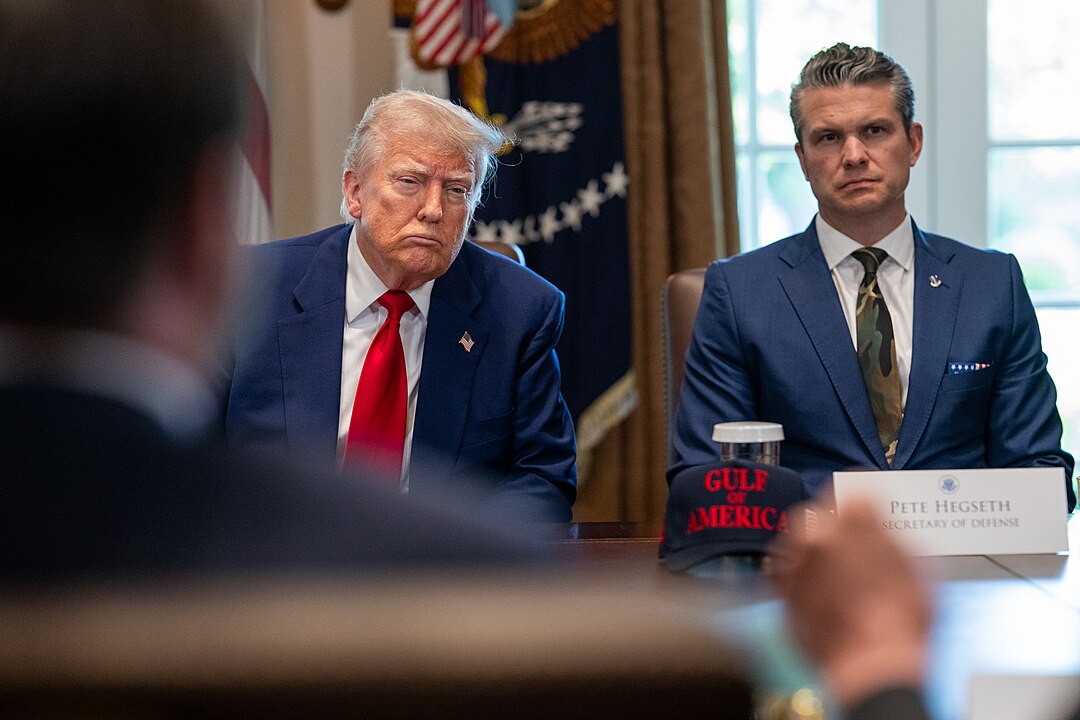
On Friday, President Trump said he canceled an “expected second Wave of Attacks” on Venezuela.
The announcement came nearly a week after US military forces captured Venezuelan President Nicolás Maduro in a shocking raid. Since then, his former vice president, Delcy Rodríguez, has been made the country’s acting president.
Rodríguez confirmed the release of several political detainees on Friday, in a move she said was designed to “consolidate peace.” Nobel Peace Prize-winning opposition leader María Corina Machado praised the release of the prisoners as an “important day” proving that “injustice” would not prevail in the country.
Taking to Truth Social early on Friday, Trump hailed the action as one of “cooperation” and touted major oil sector engagement, saying that at least $100 billion in investment from “BIG OIL” was in the offing:
“Venezuela is releasing large numbers of political prisoners as a sign of ‘Seeking Peace,’” Trump wrote in a post on Truth Social. “This is a very important and smart gesture. The U.S.A. and Venezuela are working well together, especially as it pertains to rebuilding, in a much bigger, better, and more modern form, their oil and gas infrastructure.”
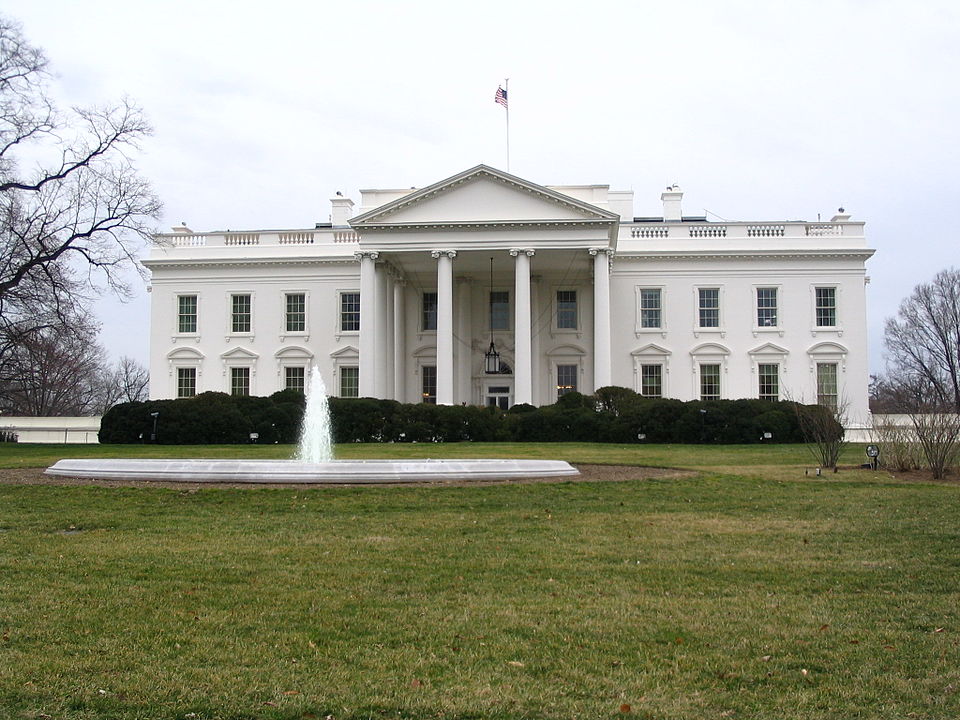
“Because of this cooperation, I have cancelled the previously expected second Wave of Attacks, which looks like it will not be needed, however, all ships will stay in place for safety and security purposes,” the president continued. “At least 100 Billion Dollars will be invested by BIG OIL, all of whom I will be meeting with today at The White House.”
The scale of the releases remains unclear, but, according to the Guardian, it is estimated that Venezuela holds between 800 and 1,000 political prisoners, many of whom were detained for participating in protests following the 2024 election, which opposition figures and international observers widely believe was rigged in Maduro’s favor.
One person who was identified as released was opposition leader Biagio Pilieri, who served on fellow opposition leader María Corina Machado’s 2024 presidential campaign.
Another opposition member who was released was 2024 presidential candidate Enrique Márquez, who was seen on video hugging Pilieri after their release on Thursday.
Alfredo Romero, president of the Venezuelan human rights group Foro Penal, hesitated to say this was “the beginning of the dismantling of a repressive system in Venezuela … and not a mere gesture, a charade of releasing some prisoners and incarcerating others,” the news wire reported. As of Dec. 29, Romero’s organization stated that Venezuela has 863 political prisoners in custody.
Spain’s government said five of its citizens were also released. Two of them, Andrés Martínez and José María Basoa, were arrested by Venezuelan authorities in September 2024, accused of being Spanish spies attempting to destabilize Maduro’s government. Spain denied these allegations.
Trump’s own claim about holding back strikes comes amidst escalating political fallout in Washington after the Senate advanced a War Powers Resolution on Thursday, with the backing of several Republicans.