

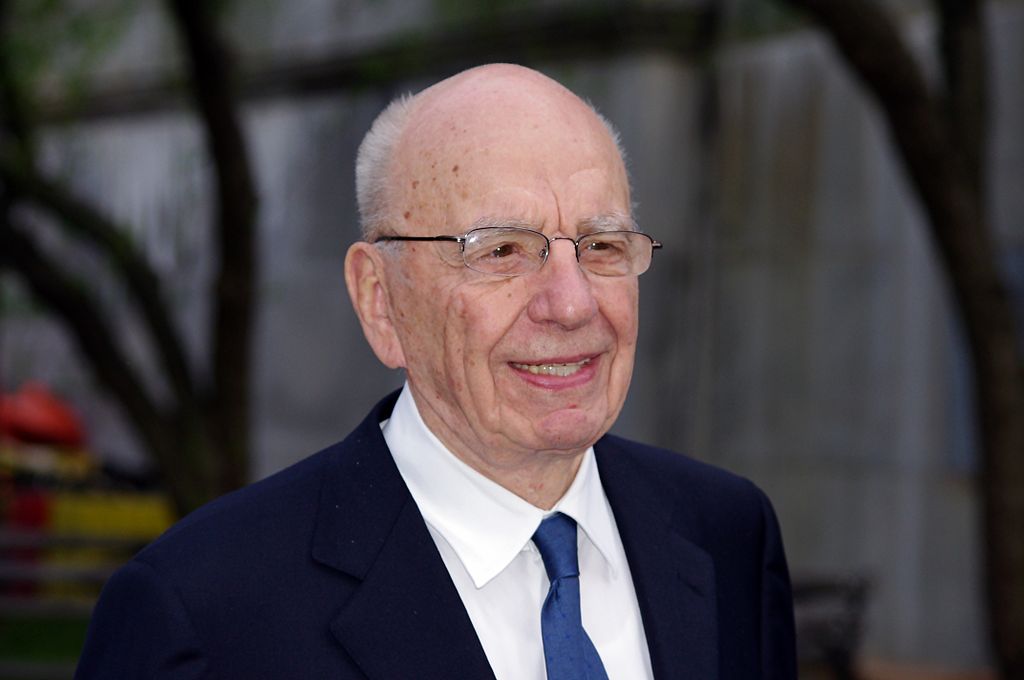
Media mogul Rupert Murdoch privately offered a more favorable assessment of Secretary of State Marco Rubio than Vice President JD Vance during a conversation with President Donald Trump last year, according to a forthcoming book that provides new insight into early maneuvering ahead of the 2028 Republican presidential race.
The revelation comes from Regime Change, an upcoming book by New York Times reporters Maggie Haberman and Jonathan Swan. According to an excerpt published Wednesday by Axios, Trump sought Murdoch’s opinion of two of the Republican Party’s most prominent rising stars during a private dinner in October 2025.
According to Haberman and Swan’s account, Murdoch acknowledged Vance’s political potential and suggested he could eventually become a major force within the Republican Party. However, the media executive reportedly reserved his strongest praise for Rubio, describing the secretary of state as “brilliant.”
The reported exchange offers a rare glimpse into private conversations among influential figures as Republicans increasingly look beyond Trump’s second term and speculate about who could emerge as the party’s next standard-bearer after he leaves office.
Neither Rubio nor Vance has launched a presidential campaign, and both remain focused on their current roles within the Trump administration. Nevertheless, each has become a frequent subject of discussion among Republican strategists, donors, and political observers assessing the party’s future leadership.
Murdoch’s views carry particular weight within conservative political circles. As chairman emeritus of News Corp and a longtime power broker in Republican politics, Murdoch has played a significant role in shaping conservative media narratives and elevating political figures through outlets including Fox News, The Wall Street Journal, and the New York Post.
The book’s authors also suggest that Vance should not assume he will inherit Trump’s political coalition or receive an automatic endorsement in a future presidential bid.
According to Haberman and Swan, Trump has shown little interest in naming a political successor and instead appears inclined to encourage competition among potential Republican contenders. Such an approach could create a wide-open primary field despite Vance’s position as vice president.
Historically, sitting vice presidents often begin presidential campaigns with significant advantages, including national name recognition, established donor networks, and close ties to the administration they served. However, Trump’s dominance within the Republican Party has frequently disrupted traditional political norms and succession patterns.
Rubio’s growing prominence has been one of the notable developments of Trump’s second administration. Once one of Trump’s fiercest rivals during the 2016 Republican presidential primary, Rubio has since become a key ally and one of the administration’s most visible voices on foreign policy and international affairs.
Since taking office as secretary of state, Rubio has played a leading role in advancing the administration’s diplomatic agenda, further raising his profile among Republican voters and party insiders.
While the 2028 presidential election remains years away, Haberman and Swan’s account highlights the extent to which influential political figures are already evaluating potential contenders and positioning themselves for the post-Trump era.


Is why the DC Swamp remains as is due to people like him