

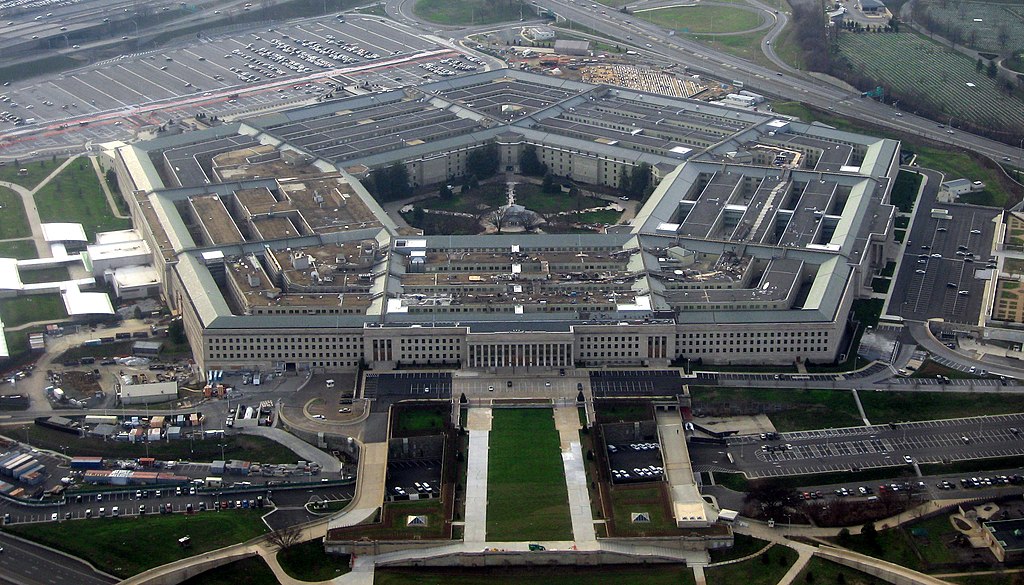
President Trump’s Cabinet is scheduled to meet at 11:30 a.m. today, with Defense Secretary Pete Hegseth expected to face fresh questions over allegations that he helped direct — or enabled — a follow-up U.S. strike that killed survivors of an earlier attack on an alleged drug-smuggling boat in the Caribbean.
The controversy reignited after The Washington Post reported Friday that Hegseth verbally ordered that a Sept. 2 attack “kill everyone” on board a vessel the administration has described as a narcotics-smuggling threat. The report also said a second strike was carried out to eliminate people who survived the first hit — a claim that has fueled bipartisan demands for oversight and raised the specter of potential war-crimes exposure if investigators conclude the targets no longer posed an imminent threat.
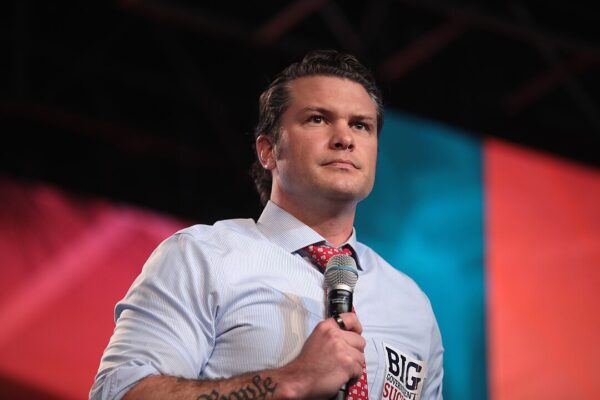
White House: strike was lawful — and “in self-defense”
The Pentagon has pushed back on key elements of the reporting. But at the White House briefing Monday, Press Secretary Karoline Leavitt did not deny that a follow-up strike occurred. Instead, she framed the Sept. 2 operation as lawful and defensive, saying it was conducted “in self-defense” in international waters and “in accordance with the law of armed conflict.”
Leavitt said: “On September 2nd, Secretary Hegseth authorized Admiral Bradley to conduct these kinetic strikes,” adding: “Admiral Bradley worked well within his authority and the law, directing the engagement to ensure the boat was destroyed and the threat to the United States of America was eliminated.”
Pressed on whether the admiral ordered a second strike because survivors remained after the first, Leavitt declined to discuss operational specifics — while emphasizing the admiral’s discretion. She also disputed the most incendiary allegation about Hegseth’s initial guidance, saying: “I would reject that the secretary of War ever said that,” before adding: “However, the president has made it quite clear that if narco-terrorists, again, are trafficking illegal drugs toward the United States, he has the authority to kill them.”
Why lawmakers are calling it a possible war-crimes issue
The allegations matter not just politically, but legally. Under the law of armed conflict, the permissibility of using lethal force often turns on whether a person remains a legitimate military target — for example, whether they pose an active threat or are otherwise directly participating in hostilities. If survivors were incapacitated and no longer threatening U.S. forces, critics argue a follow-up strike could violate established protections. That legal question is now central to the pressure campaign Congress is building around Hegseth and the Pentagon’s evidence.
The dispute has also exposed an ongoing split on Capitol Hill. Democrats — and some Republicans — have questioned both the proof that targeted boats were actually carrying drugs and the legal theory supporting repeated strikes without explicit congressional authorization.
Venezuela tensions raise the stakes for the meeting
The Cabinet session comes as U.S.-Venezuela tensions intensify, with the administration accusing President Nicolás Maduro of enabling drug trafficking. Reports indicate the White House is weighing broader options, and the strikes have become part of a larger argument about whether the U.S. is drifting toward a more direct confrontation.
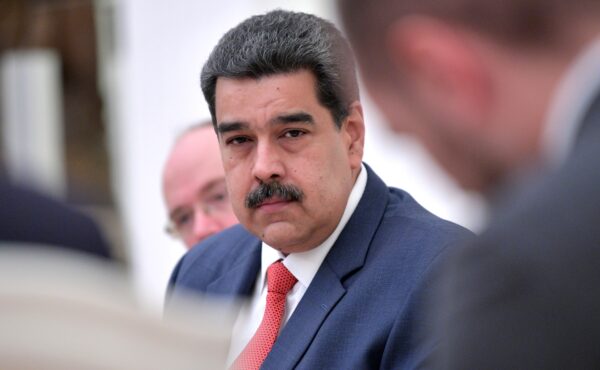
Against that backdrop, today’s meeting is expected to put Hegseth “in the hot seat” internally as well as publicly: Cabinet gatherings are often where presidents and senior advisers test whether a controversy is containable — or whether it’s beginning to endanger other priorities.
The “Signal” scandal: why Hegseth is back under a familiar microscope
This is the most sustained scrutiny Hegseth has faced in months — and it echoes the Signal scandal that shook the Pentagon earlier this year.
In late March and early April 2025, reporting revealed that senior national security officials were discussing impending military operations in a Signal group chat, an encrypted but commercial messaging app not intended for classified coordination. Coverage described officials sharing sensitive operational details tied to strikes against Houthi targets in Yemen, and the episode triggered alarms about both national security risk and records retention.
The controversy escalated when additional reporting described a second Signal chat that allegedly included Hegseth’s wife, brother, and others in his circle — prompting the Pentagon’s watchdog to open a review into his Signal use and related compliance concerns.
Now, with allegations of a second strike and potential violations of the laws of war, critics argue the pattern is the same: discretion and aggressiveness first, oversight and guardrails later.


I support Sec. Hegseth and Pres. Trump’s actions 100%.
Should have been done years ago.
When you swat a poisen spider and it is still alive and capable of biting you again, you smack it a lot harder again to make sure that it is really dead this time and incapable of biting you again, same goes for those dangerous criminals that are poisoning our citizens with their illegal drugs!
So true. The video I’ve seen shows the boat still intact. The second strike was needed to put it out of commission. Your analogy said it all, and a great way to think about it.