

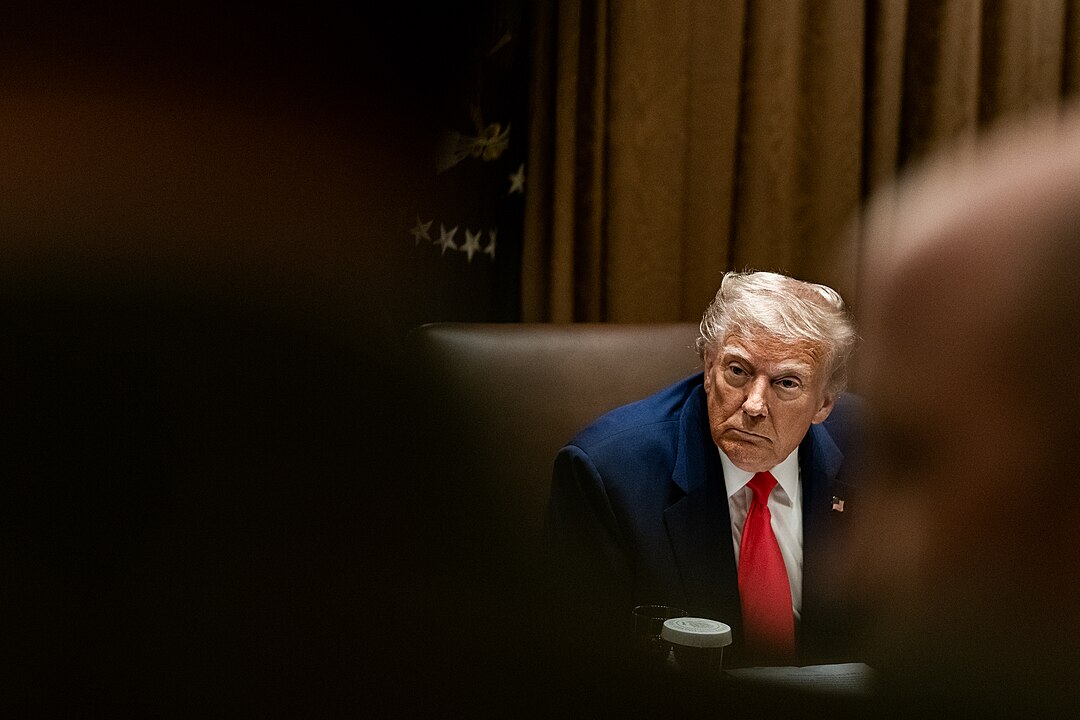
TikTok has secured a last-minute lifeline.
The social media giant reached a binding agreement Thursday with a Trump-backed group of U.S. and global investors, restructuring its American operations in an effort to avoid a nationwide ban and remain available to its 170 million U.S. users.
Under the agreement with its Chinese parent ByteDance, the hugely popular social media app will shift control of its core U.S. operations to a newly created joint venture majority-owned by American investors.
TikTok’s U.S. business will be placed under a newly created company, TikTok USDS Joint Venture LLC, majority-owned by American investors including Oracle, Silver Lake, and MGX. ByteDance will retain a 19.9% stake — the maximum allowed under U.S. law.
The new entity will control sensitive areas like user data, algorithms, and content moderation, while ByteDance continues to handle advertising and e-commerce through separate units. Oracle will act as a trusted security partner, hosting U.S. data and monitoring compliance.
The move comes after years of mounting pressure from Washington. A 2024 bipartisan law forced ByteDance to divest TikTok’s U.S. operations or face a ban, putting the platform on borrowed time after repeated deadline extensions.
Trump and other supporters argue the deal protects national security without wiping out one of the country’s most influential tech platforms. Critics remain skeptical, warning that ByteDance’s continued involvement could still pose risks.
At the heart of the TikTok debate is China.
ByteDance operates under Chinese laws that can force companies to turn over user data, intensifying fears in Washington that information on millions of Americans could — or may already — be in Beijing’s hands.
National security officials and lawmakers warn that such data could have military value, raising concerns about potential access by the Chinese Communist Party.
Mediaite continues:
The White House has confirmed that Oracle, co-founded by Trump ally Larry Ellison, will license a copy of TikTok’s powerful recommendation algorithm and expand its existing role managing the data of the app’s 170 million U.S. users. A potential ban was hinged on national security concerns.
In September, Trump said he had spoken directly with China’s leader, adding: “I had a very good talk with President Xi [Jinping]” and “he gave us the go ahead.” A month later, Treasury Secretary Scott Bessent declared that Washington and Beijing had “reached a final deal on TikTok.”
During his first term, Trump threatened to ban TikTok outright in 2020. Congress later passed legislation forcing a sale or shutdown over security fears, which former President Joe Biden signed into law in April 2024. The ban was due to take effect in January 2025, but was repeatedly delayed by Trump as negotiations continued.
Not everyone is on board, however. Senator Elizabeth Warren (D-MA) panned the deal in a post on BlueSky late Thursday: “First Paramount/CBS and now TikTok. Trump wants to hand over even more control of what you watch to his billionaire buddies. Americans deserve to know if the president struck another backdoor deal for this billionaire takeover of TikTok.”
If regulators sign off, the deal is expected to close by Jan. 22, 2026. TikTok says users shouldn’t notice any immediate changes — but scrutiny of the platform is far from over.
READ NEXT: Trump Immediately Suspends Controversial Program Following Shocking Incidents

If Fauchahauntas is against it, I’m for it. (I don’t use Slicktok, Fakebook, TwitX, or any of the rest.)