
A federal appeals court has declined to revisit a controversial ruling that blocked President Trump’s choice to lead the U.S. Attorney’s Office in New Jersey—setting the stage for what could become a major Supreme Court showdown over presidential authority and the limits of judicial power.
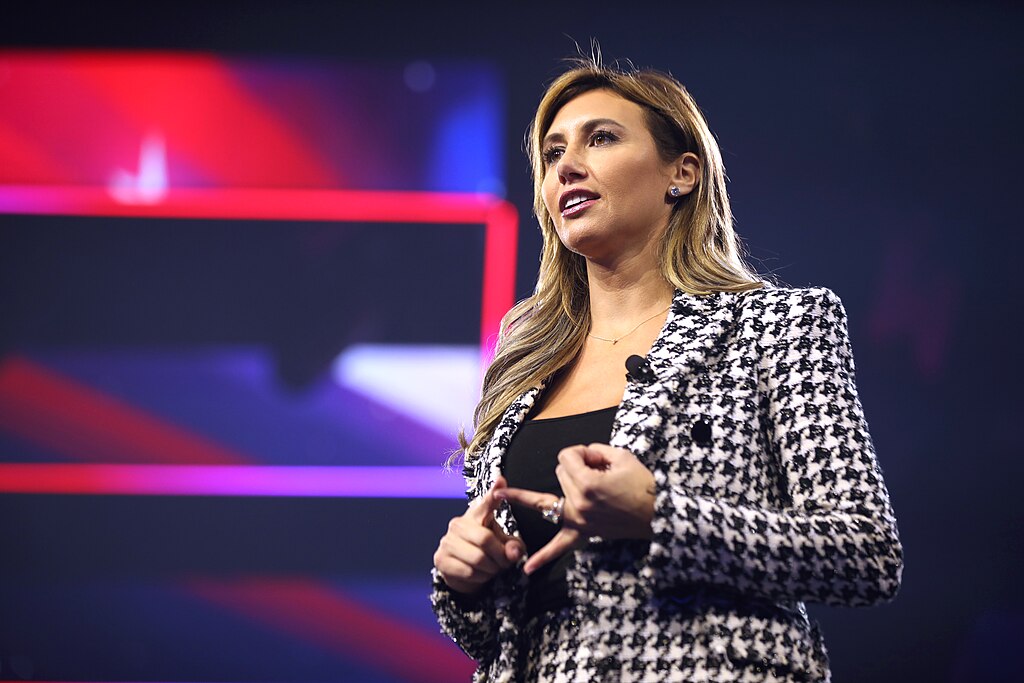
In a brief order issued Monday, the U.S. Court of Appeals for the Third Circuit said it would not rehear a panel decision that invalidated Alina Habba’s service as U.S. attorney for New Jersey. Habba, a former personal attorney to President Trump and a trusted member of his legal team, was found by a three-judge panel to have been unlawfully kept in the position after her 120-day interim term expired.
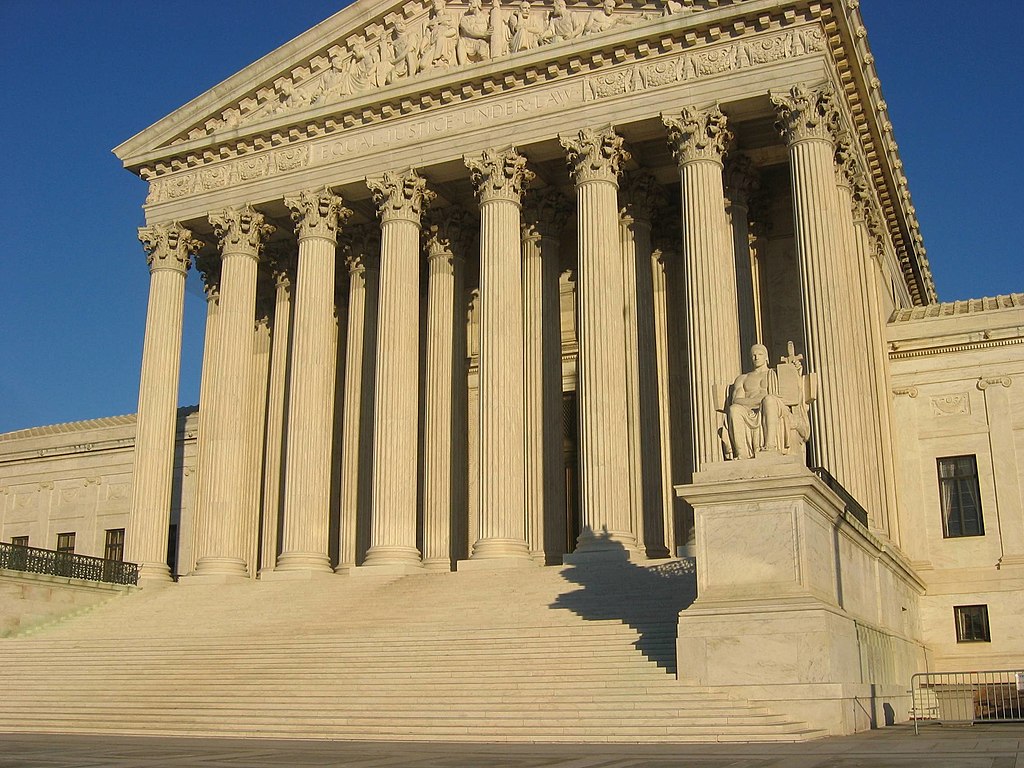
The court noted that the judges who issued the original ruling did not request a rehearing, and a majority of the full court voted against taking the case en banc. Three of the court’s 11 active judges dissented and would have reheard the case, with one dissenting opinion to be released later. Judge Emil Bove—another Trump appointee and former Trump attorney—did not participate in the vote.
The ruling keeps in place the panel’s conclusion that Habba’s continued service violated federal law, despite what the judges described as a “novel series of legal and personnel moves” by the Trump administration to keep her in office. Critics on the right argue those moves were necessary responses to an increasingly aggressive judiciary inserting itself into executive branch decisions.
At issue is a long-standing statute governing how vacant U.S. attorney positions are filled. When Habba’s interim term expired in July, federal judges in New Jersey declined to extend it and instead used a rarely invoked power to appoint her first assistant as U.S. attorney. In response, Attorney General Pam Bondi removed that appointee, and President Trump withdrew Habba’s formal nomination, redesignating her as acting U.S. attorney.
The panel ruled that this maneuver violated the “plain text” of the statute, arguing that once a president submits a nomination—even if later withdrawn—the legal timeline changes. Writing for the unanimous panel, Judge D. Michael Fisher, a George W. Bush appointee, acknowledged the administration’s frustration with “legal and political barriers” to staffing key law enforcement roles but concluded the law did not allow the workaround.
Supporters of the administration see the case differently, arguing it highlights a broader pattern of unelected judges constraining the president’s constitutional authority to oversee the executive branch. The Justice Department warned the Third Circuit that the panel’s ruling imposes “atextual limits” on acting U.S. attorneys and raises issues of “exceptional importance,” particularly for a president seeking to implement the policies voters elected him to carry out.
Although Habba resigned last month following the ruling, she has made clear she intends to return if a higher court rules in her favor—underscoring how unsettled the law remains. The administration is widely expected to ask the Supreme Court to step in, potentially clarifying the balance of power between the presidency and the judiciary.
Habba was the first of several Trump-aligned U.S. attorneys to be sidelined under similar legal theories. Comparable rulings have since affected prosecutors in Los Angeles, Nevada, the Northern District of New York, and the Eastern District of Virginia. In Delaware, the state GOP chair-turned-U.S. attorney resigned after citing the Third Circuit’s decision.
In Virginia, Lindsey Halligan—another former Trump attorney—resigned last week after a judge barred her from acting as U.S. attorney unless she was confirmed by the Senate or appointed by the court. That ruling led to the dismissal of federal cases against former FBI Director James Comey and New York Attorney General Letitia James, two prominent critics of President Trump—fueling conservative concerns that procedural technicalities are being weaponized to interfere with prosecutorial discretion.
For many Republicans, the growing list of disqualified Trump-aligned prosecutors raises fundamental questions: Who controls federal law enforcement—the elected president or the courts? And how far can judges go in second-guessing executive decisions before crossing into policymaking themselves?
Those questions now appear headed for the nation’s highest court.